
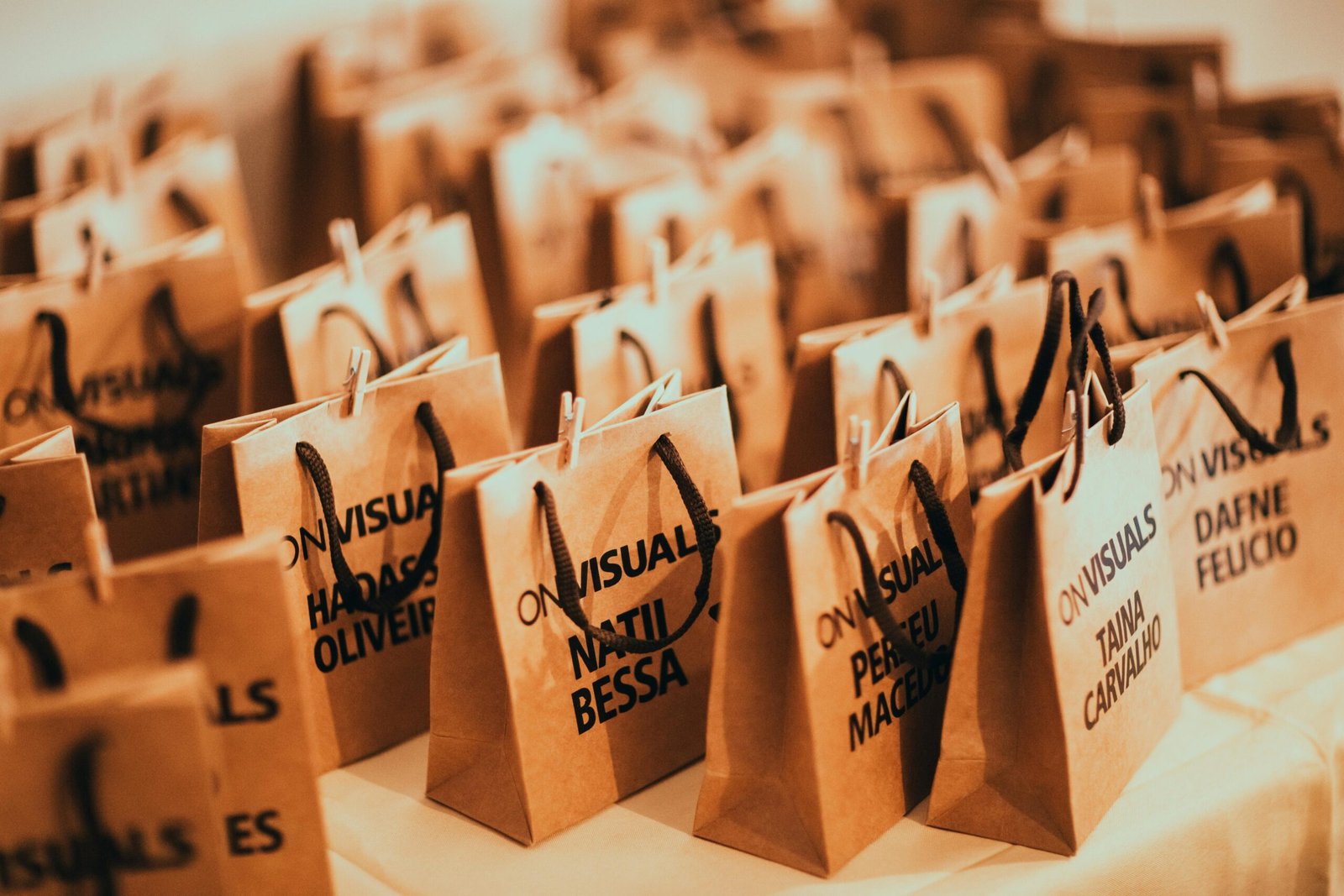
We provide a detailed and authoritative exploration of pappedeckel, a material widely recognized for its versatility, durability, and practical importance across numerous industries. Although often compared with cardboard or paperboard, pappedeckel holds distinct characteristics that set it apart in terms of structure, thickness, and usability. In this article, we examine what pappedeckel is, how it is produced, where it is used, and why it continues to be a reliable material in both commercial and everyday contexts. Our aim is to deliver a complete, structured resource that offers clarity, depth, and long-term value.
What Is Pappedeckel?
Pappedeckel is a rigid paper-based material made from compressed layers of paper fibers. It is thicker and sturdier than standard paper and often denser than conventional cardboard. The manufacturing process involves pressing recycled or virgin paper pulp into solid sheets, resulting in a firm, stable material with excellent structural integrity. Pappedeckel is commonly used where strength, shape retention, and cost efficiency are required.
Material Properties of Pappedeckel
We highlight that the defining strength of pappedeckel lies in its balance between rigidity and workability. It offers high resistance to bending while remaining easy to cut, fold, and shape. Pappedeckel is also lightweight relative to its strength, making it ideal for applications requiring structural support without excessive weight. Its surface can be smooth or textured depending on processing, allowing for printing, coating, or laminating.
Types and Thickness Variations
Pappedeckel is available in various thickness levels, each designed for specific applications. Thinner variants are commonly used in stationery, bookbinding, and packaging inserts, while thicker pappedeckel sheets are suitable for industrial packaging, display construction, and protective layers. This range of thickness options allows pappedeckel to serve both decorative and functional roles effectively.
Common Uses of Pappedeckel
We observe that pappedeckel is widely used across multiple sectors due to its adaptability. In packaging, it provides reliable protection for products during storage and transport. In bookbinding, pappedeckel serves as a durable cover material that maintains shape over time. It is also frequently used in crafts, model making, and educational projects, where its ease of handling and structural strength are highly valued.
Pappedeckel in Industrial Applications
In industrial settings, pappedeckel is used for separators, protective layers, and structural inserts. Its resistance to deformation makes it suitable for safeguarding delicate components. Additionally, pappedeckel’s recyclability supports sustainability goals, making it a preferred choice in environmentally conscious production environments.
Environmental Advantages of Pappedeckel
We emphasize that pappedeckel is often produced using recycled paper fibers, significantly reducing environmental impact. It is biodegradable, recyclable, and energy-efficient to manufacture compared to many synthetic alternatives. These characteristics align pappedeckel with modern sustainability standards and growing demand for eco-friendly materials.
Pappedeckel vs. Cardboard
While frequently confused with cardboard, pappedeckel differs in density and application. Cardboard is typically corrugated and designed for lightweight packaging, whereas pappedeckel is solid and compact, offering greater rigidity. This distinction makes pappedeckel more suitable for precision applications where structural consistency is required.
Processing and Customization
We note that pappedeckel can be easily customized through cutting, die-pressing, laminating, and printing. These processing options allow manufacturers and designers to tailor pappedeckel to specific functional or aesthetic requirements. Its compatibility with adhesives and coatings further enhances its versatility.
Why Pappedeckel Remains Relevant
The continued relevance of pappedeckel lies in its reliability, affordability, and adaptability. It meets the needs of both small-scale users and large industrial operations. As demand for sustainable materials grows, pappedeckel’s eco-friendly profile strengthens its position as a preferred solution.
Conclusion
We conclude that pappedeckel is a practical, durable, and environmentally responsible material with wide-ranging applications. Its unique combination of strength, flexibility, and sustainability makes it indispensable in packaging, manufacturing, education, and creative industries. By understanding its properties and uses, we can fully appreciate the enduring value of pappedeckel in modern material applications.
Frequently Asked Questions (FAQ)
What is pappedeckel made of?
Pappedeckel is made from compressed paper fibers, often sourced from recycled materials.
Is pappedeckel the same as cardboard?
No, pappedeckel is denser and more rigid than standard cardboard.
Is pappedeckel environmentally friendly?
Yes, pappedeckel is recyclable, biodegradable, and commonly produced from recycled paper.
What industries use pappedeckel?
Pappedeckel is used in packaging, bookbinding, manufacturing, education, and crafts.
Can pappedeckel be customized?
Yes, it can be cut, printed, laminated, and shaped for various applications.
