
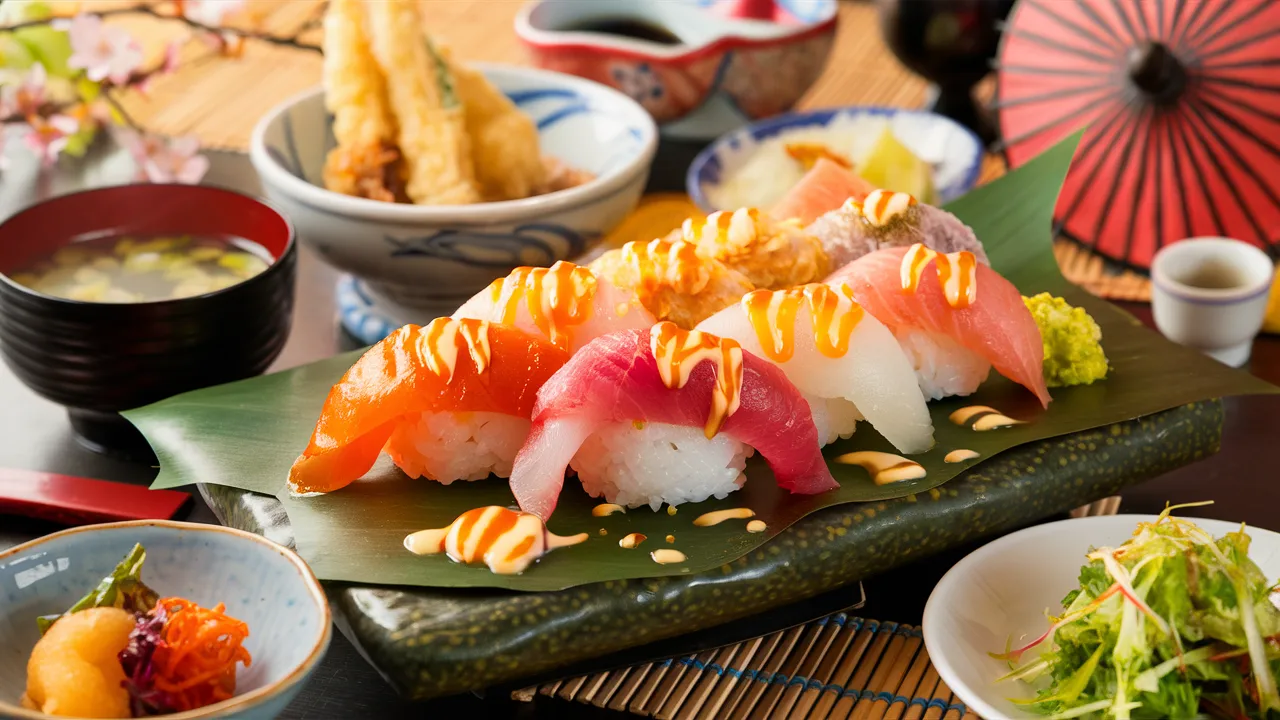
Masago is the edible roe of the fish known as the capelin Capelin. It is widely used in Japanese cuisine, especially in sushi dishes, due to its distinctive texture, mild flavor, and vibrant appearance. Often mistaken for similar fish roe such as tobiko, masago is smaller in size but equally valuable in culinary applications. It is typically harvested in large quantities and processed for use in restaurants and food production, making it a cost-effective alternative to more expensive fish roe varieties.
In modern global cuisine, masago has become an essential ingredient not only in traditional Japanese sushi but also in fusion dishes, seafood salads, and gourmet appetizers. Its slightly salty and subtly sweet flavor enhances the taste profile of many dishes without overpowering other ingredients. Because of its fine texture, masago blends smoothly into sauces and toppings, making it a versatile ingredient in both professional kitchens and home cooking.
Masago Taste Profile and Texture Experience
Masago offers a unique culinary experience due to its delicate texture and mild taste. When eaten, the tiny eggs create a gentle popping sensation that adds a layer of complexity to dishes. Unlike stronger fish roe varieties, masago has a more subtle briny flavor, making it ideal for those who are new to seafood roe.
The taste is often described as lightly salty with a hint of sweetness and ocean freshness. Because of its mild profile, masago pairs exceptionally well with creamy ingredients such as mayonnaise, avocado, and soft cheeses, commonly found in modern sushi rolls. It is also frequently used as a garnish to enhance visual appeal, thanks to its bright orange or yellow color.
Masago vs Tobiko: Understanding the Difference
Many people confuse masago with tobiko, another type of fish roe used in sushi. However, there are key differences that set them apart. Masago is smaller, softer, and less crunchy compared to tobiko, which has a more pronounced pop and firmer texture. Tobiko is generally considered a premium ingredient, while masago is more affordable and widely used in commercial food preparation.
Despite these differences, both ingredients serve similar culinary purposes. They are used as toppings for sushi rolls, sashimi platters, and rice bowls. In some cases, chefs even blend masago with sauces to create flavored variations such as spicy masago or wasabi masago, enhancing its versatility in global cuisine.
Nutritional Value and Health Benefits of Masago
Masago is not only valued for its taste but also for its nutritional benefits. It is rich in protein, omega-3 fatty acids, and essential vitamins such as B12 and selenium. These nutrients play an important role in supporting brain health, boosting immune function, and maintaining healthy skin.
Because masago is low in calories but high in nutrients, it is often included in balanced diets. Omega-3 fatty acids found in masago contribute to heart health by reducing inflammation and supporting cardiovascular function. Additionally, the protein content helps in muscle development and overall body repair.
However, it is important to consume masago in moderation due to its sodium content, which can be relatively high because of the curing process. People with dietary restrictions or salt-sensitive conditions should be mindful of portion sizes.
Culinary Uses of Masago in Global Cuisine
Masago is most famously used in sushi, especially in California rolls and specialty fusion rolls. Its vibrant color and mild flavor make it an attractive topping that enhances both taste and presentation. In addition to sushi, masago is commonly used in poke bowls, rice dishes, pasta, and seafood salads.
Chefs often incorporate masago into sauces and dressings to add umami depth and texture. It can be mixed with mayonnaise to create creamy spicy sauces or used as a garnish on canapés and appetizers. In modern gastronomy, masago is even used in fine dining dishes where visual presentation is as important as flavor.
Its adaptability makes masago a favorite ingredient among chefs worldwide, especially in restaurants that specialize in Japanese or fusion cuisine.
How Masago Is Processed and Stored
Masago is harvested from the capelin fish and then salted and cured to preserve freshness. The curing process enhances its flavor while extending shelf life. After processing, it is typically packaged in refrigerated or frozen form to maintain quality.
Proper storage is essential to preserve its taste and texture. Masago should always be kept refrigerated and consumed within a short period after opening. Freezing is also common for long-term storage, especially in commercial kitchens.
When handled correctly, masago maintains its freshness and can be used in a variety of dishes without losing its quality.
Masago in Modern Food Trends
In recent years, masago has become increasingly popular in global food trends, particularly in sushi fusion cuisine. Social media and food culture have contributed to its rise in popularity, as visually appealing dishes featuring masago often attract attention.
Restaurants use masago not only for its flavor but also for its aesthetic appeal. Its bright orange color adds contrast to dishes, making them more visually appealing in food photography and presentation. This has helped masago become a staple ingredient in modern culinary innovation.
Conclusion: Why Masago Remains a Global Culinary Favorite
Masago continues to hold a strong position in global cuisine due to its versatility, affordability, and unique flavor profile. From traditional Japanese sushi to modern fusion dishes, it enhances both taste and presentation. Its nutritional benefits further add to its value, making it a popular choice among chefs and health-conscious consumers alike.
As global culinary trends continue to evolve, masago is expected to remain a key ingredient in seafood-based dishes. Its adaptability ensures that it will continue to be used creatively in kitchens around the world, maintaining its relevance in both traditional and modern gastronomy.
FAQ About Masago
1. What is masago made from?
Masago is made from the roe of the capelin fish, a small forage fish found in cold ocean waters.
2. Is masago the same as caviar?
No, masago is not true caviar. It is fish roe, but it comes from capelin rather than sturgeon.
3. Is masago healthy to eat?
Yes, masago contains protein, omega-3 fatty acids, and vitamins, but it should be eaten in moderation due to its sodium content.
4. What does masago taste like?
Masago has a mild, slightly salty, and subtly sweet flavor with a light crunch.
5. Where is masago commonly used?
It is mainly used in sushi, poke bowls, seafood salads, and fusion cuisine dishes.
6. Can masago be eaten raw?
Yes, masago is typically pre-cured and safe to eat without cooking.
