
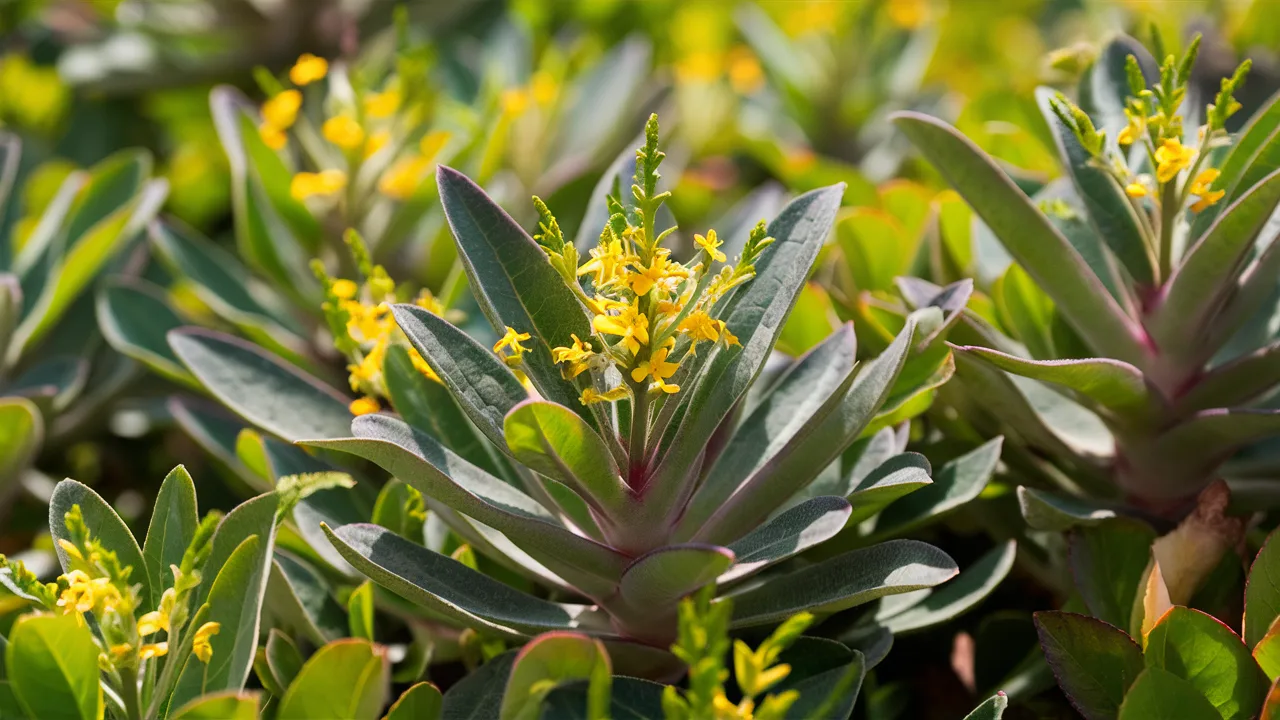
Epazote (Dysphania ambrosioides), often referred to as Mexican tea or wormseed, is a fragrant herb with a long-standing tradition in Latin American cuisine and herbal medicine. Known for its pungent aroma, dark green leaves, and slightly medicinal flavor, epazote is celebrated for its ability to enhance traditional dishes while offering potential health benefits. This herb has been used for centuries in regions such as Mexico, Central America, and parts of South America, making it a cornerstone in authentic culinary practices. Beyond its culinary appeal, epazote contains bioactive compounds that have been studied for their therapeutic properties.
Origin and Botanical Profile of Epazote
Epazote is native to Central and South America and belongs to the Amaranthaceae family. Its scientific name, Dysphania ambrosioides, reflects its classification within the plant kingdom. The plant typically grows to about 1 meter in height, featuring elongated, jagged-edged leaves and small green flowers clustered in spikes. Its strong scent, often described as medicinal or camphor-like, is attributed to essential oils, primarily ascaridole, limonene, and p-cymene. These compounds not only give epazote its distinctive aroma but also contribute to its traditional medicinal uses.
Culinary Uses of Epazote
Epazote is a staple in Mexican and Latin American cooking, prized for its unique flavor profile and its digestive benefits. It pairs exceptionally well with beans, corn-based dishes, soups, stews, and quesadillas. One of the most notable culinary applications is its use with beans, as epazote is believed to reduce gas and bloating. The leaves can be used fresh or dried, and their slightly bitter, pungent taste adds depth and complexity to dishes.
-
Beans and Legumes: Adding epazote to beans like black beans, pinto beans, or red beans can reduce flatulence while imparting a distinctive earthy flavor.
-
Soups and Stews: In traditional Mexican soups, epazote complements ingredients such as squash, potatoes, and chili peppers.
-
Cheese and Corn Dishes: Epazote enhances the flavor of corn-based dishes like quesadillas, tamales, and elote (Mexican street corn).
-
Herbal Seasoning: The dried leaves can be crushed and added to sauces, marinades, or even infused in oils for a unique aromatic experience.
Cooking with epazote requires careful handling. Due to its strong flavor, only a small quantity is necessary; overuse can overpower other ingredients. Fresh leaves are generally preferred for their potency, though dried epazote remains a convenient pantry staple.
Health Benefits of Epazote
Epazote is not only valued in the kitchen but also for its traditional medicinal properties. Historically, it has been employed to address digestive issues, respiratory conditions, and parasitic infections. Modern studies have identified several bioactive compounds in epazote, contributing to its potential therapeutic effects:
-
Digestive Support: Epazote is known to relieve bloating, gas, and indigestion, particularly when paired with beans and other legumes.
-
Antiparasitic Properties: Traditionally, epazote was used to combat intestinal worms due to the presence of ascaridole, a compound with anthelmintic activity.
-
Antimicrobial Effects: Some research indicates that epazote extracts may exhibit antibacterial and antifungal properties.
-
Nutritional Content: The leaves contain vitamins A and C, calcium, iron, and other trace minerals, making them a nutrient-dense addition to meals.
It is important to note that epazote should be consumed in moderation, especially during pregnancy or by individuals with certain medical conditions, as high doses of ascaridole can be toxic.
Cultivation and Growing Tips
Growing epazote is relatively straightforward, making it a favorite for home gardeners and culinary enthusiasts alike. The plant thrives in well-drained soil, full sunlight, and areas with moderate rainfall. It can be grown from seeds or cuttings and is hardy in warm climates. Key cultivation tips include:
-
Soil Requirements: Fertile, loamy soil with good drainage is ideal.
-
Watering Needs: Regular watering is essential, but overwatering can cause root rot.
-
Harvesting: Leaves can be harvested once the plant reaches at least 12 inches in height. Fresh leaves are best used immediately, while excess leaves can be dried for long-term storage.
-
Pest Management: Epazote is naturally resistant to many pests due to its strong aroma, making it a low-maintenance herb.
Preparation and Storage
Proper preparation ensures maximum flavor and potency. Fresh epazote leaves should be rinsed thoroughly and used within a few days to retain their aroma. For drying, leaves can be air-dried in a shaded area, preserving their essential oils and extending shelf life. Dried epazote should be stored in airtight containers away from light and heat. Both fresh and dried forms can be finely chopped or crumbled before use in cooking.
Epazote in Traditional Medicine
Epazote has a rich history in traditional medicine across Latin America. Indigenous cultures used it to treat intestinal parasites, respiratory ailments, menstrual cramps, and skin conditions. Herbal infusions and teas made from the leaves were commonly administered for their soothing and therapeutic effects. While modern medicine offers alternative treatments, epazote remains a revered natural remedy and is increasingly studied for its bioactive components in herbal pharmacology.
Cautions and Considerations
While epazote offers numerous culinary and health benefits, it must be used responsibly:
-
Toxicity Risk: Consuming large amounts, especially of the concentrated oil, can lead to nausea, vomiting, or more severe health issues.
-
Pregnancy and Children: Epazote is not recommended in high doses for pregnant women or young children due to potential toxicity.
-
Allergic Reactions: Rare allergic responses have been reported, so it is prudent to test small quantities initially.
By following dosage guidelines and using epazote sparingly, these risks can be minimized, allowing individuals to enjoy its flavor and benefits safely.
Conclusion
Epazote is a versatile herb with a rich history in culinary traditions and herbal medicine. Its unique flavor, digestive benefits, and medicinal properties make it an indispensable addition to kitchens across Latin America and increasingly worldwide. By understanding its uses, cultivation, preparation, and safety considerations, chefs, home cooks, and herbal enthusiasts can fully harness the potential of this remarkable plant. Whether enhancing the flavor of a traditional bean stew or exploring its therapeutic benefits, epazote remains a herb of exceptional value and cultural significanc
Frequently Asked Questions (FAQ)
Q1: What does epazote taste like?
A1: Epazote has a pungent, slightly medicinal, earthy taste with hints of mint and oregano. Its flavor is bold and can dominate dishes if used in excess.
Q2: Can epazote be used fresh and dried?
A2: Yes, both forms are suitable. Fresh leaves are preferred for maximum aroma, while dried leaves are convenient for long-term storage.
Q3: Is epazote safe to eat daily?
A3: In small culinary amounts, yes. However, consuming large quantities or concentrated oil is not safe due to potential toxicity.
Q4: Can epazote help with digestion?
A4: Yes, it has traditionally been used to reduce bloating and gas, particularly when added to bean dishes.
Q5: How do I grow epazote at home?
A5: Plant seeds in well-drained soil, provide full sunlight, water regularly, and harvest leaves once the plant reaches sufficient height.
