
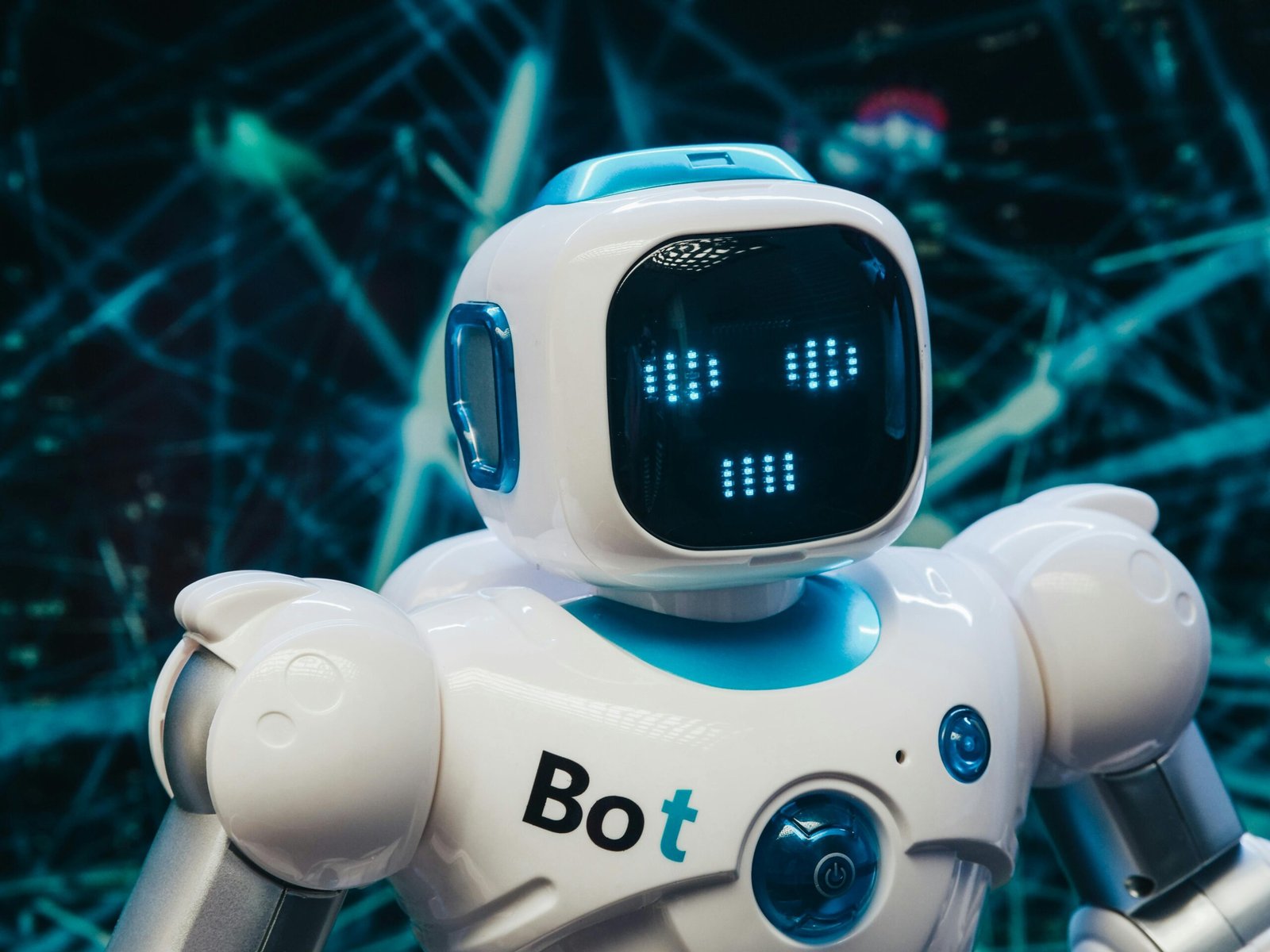
The phrase ponas robotas has gained attention across technology discussions, digital communities, and robotics enthusiasts. Derived from a linguistic blend that roughly translates to “Mr. Robot” or “Master Robot”, ponas robotas symbolizes the growing influence of advanced robotics, artificial intelligence, and intelligent automation in modern society. As robotics technology evolves rapidly, the concept behind ponas robotas increasingly represents machines capable of performing complex tasks, assisting humans, and transforming industries.
In the modern technological era, robots are no longer limited to science fiction stories or industrial manufacturing lines. They now operate in healthcare, logistics, agriculture, education, and even daily household activities. The idea of ponas robotas reflects the emergence of highly intelligent robotic systems that collaborate with humans to improve productivity and efficiency.
This comprehensive guide explores the meaning behind ponas robotas, the technologies driving robotics innovation, the practical applications of intelligent robots, and the future impact robotics will have on society.
Understanding the Meaning of Ponas Robotas
The phrase ponas robotas represents more than just a robot. It reflects the broader idea of advanced machines designed to work intelligently alongside humans. In many contexts, ponas robotas symbolizes a robot capable of independent decision-making, sophisticated learning, and adaptive performance.
Modern robotics integrates several cutting-edge technologies, including:
-
Artificial intelligence
-
Machine learning
-
Computer vision
-
Sensor systems
-
Autonomous navigation
When combined, these technologies allow robots to analyze environments, make decisions, and perform tasks with increasing accuracy and efficiency.
The concept of ponas robotas therefore represents the evolution from simple mechanical machines to intelligent robotic systems capable of understanding and interacting with the world around them.
The Evolution of Robotics Technology
Robotics has progressed dramatically over the past few decades. Early robots were primarily mechanical arms used in manufacturing factories. These machines performed repetitive tasks such as welding, assembly, and packaging.
With the advancement of computer technology and artificial intelligence, robotics systems became significantly more capable. Modern robots can now:
-
Recognize objects using visual sensors
-
Navigate complex environments
-
Communicate with humans through voice or interfaces
-
Learn from data and improve performance over time
The ponas robotas concept represents the next generation of robotics, where machines are not only tools but collaborative partners capable of assisting humans in complex scenarios.
Key Technologies Behind Ponas Robotas
The functionality of advanced robotic systems relies on multiple technological components working together seamlessly.
Artificial Intelligence
Artificial intelligence allows robots to process large amounts of data and make decisions based on learned patterns. AI enables ponas robotas systems to adapt to new environments and continuously improve their performance.
Machine Learning
Machine learning algorithms allow robots to analyze previous experiences and refine their actions. This capability allows robots to perform tasks with increasing efficiency and precision.
Computer Vision
Computer vision enables robots to interpret visual data using cameras and sensors. Through image recognition and object detection, ponas robotas machines can identify objects, people, and environmental changes.
Sensors and Navigation Systems
Robots rely on sensors such as lidar, infrared, and ultrasonic technology to navigate safely. These systems allow ponas robotas to detect obstacles, measure distances, and move autonomously.
Applications of Ponas Robotas in Modern Industries
The development of intelligent robotics has transformed numerous industries around the world.
Healthcare Robotics
Robots assist surgeons with precision procedures, help nurses manage repetitive tasks, and support rehabilitation therapy. Advanced robotics improves patient outcomes and increases efficiency in hospitals.
Manufacturing and Automation
Factories rely on robotic systems for assembly, packaging, and quality control. Ponas robotas technology allows manufacturers to increase productivity while maintaining high accuracy and safety standards.
Agriculture Technology
Robots are used to monitor crops, plant seeds, and harvest produce. Agricultural robotics helps farmers optimize crop yields and reduce labor-intensive work.
Logistics and Warehousing
Autonomous robots transport goods inside warehouses, organize inventory, and streamline order fulfillment. This technology significantly improves supply chain efficiency.
Service and Household Robots
Robotic vacuum cleaners, lawn mowers, and personal assistants are increasingly common in homes. These devices represent early forms of ponas robotas systems designed to simplify everyday tasks.
Benefits of Ponas Robotas Technology
The rise of robotics offers numerous benefits for businesses and society.
Increased Efficiency
Robots can perform repetitive tasks continuously without fatigue, increasing productivity in many industries.
Improved Precision
Robotics technology allows extremely precise operations, particularly in manufacturing and medical procedures.
Enhanced Safety
Robots can perform dangerous tasks in hazardous environments, reducing risks for human workers.
Cost Reduction
Automation can reduce operational costs by optimizing labor and minimizing errors.
Innovation and Growth
Robotics encourages innovation across industries, leading to new business opportunities and technological breakthroughs.
Challenges and Ethical Considerations
Despite the many advantages of robotics, the growth of ponas robotas technology also raises important challenges.
One concern involves the impact of automation on employment, as some repetitive jobs may become automated. However, robotics also creates new roles in engineering, programming, and maintenance.
Another challenge involves ethical decision-making in artificial intelligence systems. Developers must ensure robots operate safely, fairly, and responsibly.
Addressing these challenges requires collaboration between engineers, policymakers, businesses, and researchers.
The Future of Ponas Robotas
The future of robotics promises even more advanced capabilities. Emerging technologies are expected to produce robots that are more intelligent, adaptable, and integrated into daily life.
Future ponas robotas systems may include:
-
Autonomous delivery robots
-
Robotic healthcare assistants
-
AI-powered home companions
-
Smart city infrastructure robots
-
Advanced space exploration robots
As these technologies mature, robotics will likely become an essential part of everyday human activity.
Conclusion
The concept of ponas robotas represents the remarkable progress of robotics technology and the growing relationship between humans and intelligent machines. From industrial automation to healthcare innovations and household assistance, robotics continues to transform the way society operates.
As technology advances, ponas robotas systems will become more capable, efficient, and integrated into daily life. Responsible development and ethical implementation will ensure that robotics benefits both individuals and global industries.
Understanding the power and potential of ponas robotas helps us appreciate how robotics will shape the future of technology, productivity, and human progress.
Frequently Asked Questions (FAQ)
What does ponas robotas mean?
Ponas robotas generally refers to an intelligent or advanced robot and is often associated with the concept of “Mr. Robot” or a master robotic system.
How are ponas robotas systems used today?
They are used in industries such as manufacturing, healthcare, agriculture, logistics, and home automation.
What technologies power ponas robotas robots?
Key technologies include artificial intelligence, machine learning, computer vision, and sensor-based navigation systems.
Will robots replace human jobs?
Robots may automate repetitive tasks, but they also create new opportunities in technology development, robotics engineering, and system management.
What is the future of ponas robotas technology?
The future includes smarter autonomous robots, AI-powered assistants, and robotic systems integrated into everyday life and industry.
