
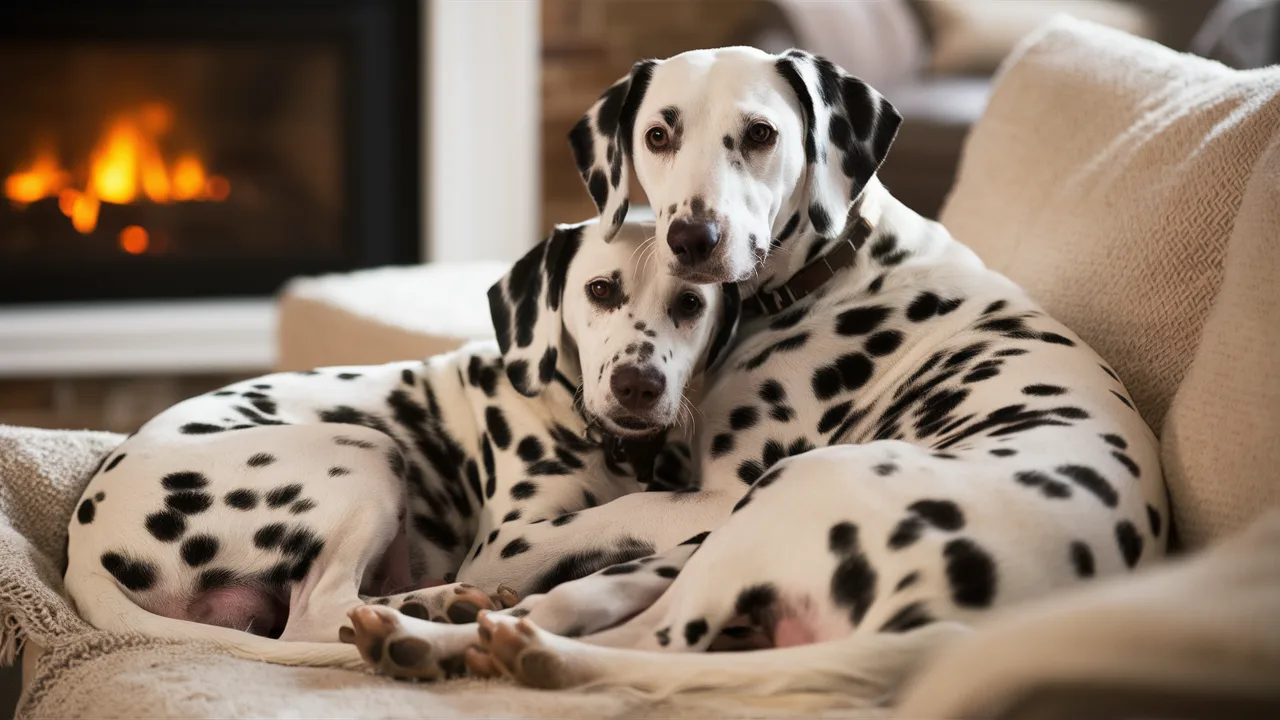
Breeding Dalmatians is a discipline that requires deep knowledge, strategic planning, and ethical responsibility. We approach Dalmatian breeding not as a casual endeavor, but as a structured process designed to produce genetically sound, physically strong, and temperamentally balanced puppies. Every decision—from selecting breeding pairs to raising litters—directly influences the future of the breed. In this comprehensive guide, we outline the exact methods and standards required to achieve excellence in Dalmatian breeding.
Understanding the Dalmatian Breed Standard
Before initiating any breeding program, we must fully understand the Dalmatian breed standard. This includes:
- Distinctive coat pattern: Pure white base with well-defined black or liver spots
- Athletic build: Strong, muscular, and well-balanced structure
- Temperament: Energetic, intelligent, and highly social
Maintaining these characteristics is essential. Breeding without adherence to these standards results in loss of breed integrity and long-term genetic decline.
Selecting the Right Breeding Pair
The foundation of successful Dalmatian breeding lies in choosing the correct sire and dam. We evaluate breeding candidates based on:
1. Genetic Health Screening
Dalmatians are prone to specific hereditary conditions, including:
- Deafness
- Urinary stone formation
- Hip dysplasia
We ensure both parents undergo comprehensive health testing, including BAER (Brainstem Auditory Evoked Response) testing for hearing.
2. Temperament Assessment
Only dogs with stable, friendly, and confident personalities should be bred. Behavioral traits are hereditary and crucial for family compatibility.
3. Physical Conformation
We select dogs that closely align with breed standards, ensuring:
- Proper body proportions
- Balanced gait
- Correct spotting pattern
Understanding Dalmatian Genetics
Dalmatian breeding requires a clear understanding of genetic inheritance patterns, especially regarding coat color and health traits.
Spot Color Genetics
- Black-spotted and liver-spotted Dalmatians are controlled by distinct genetic factors
- Breeding incompatible combinations can result in undesirable or non-standard outcomes
Low Uric Acid (LUA) Trait
A major advancement in Dalmatian breeding is the introduction of the Low Uric Acid (LUA) gene, which helps reduce urinary issues. Incorporating LUA lines improves overall breed health and longevity.
Preparing for Mating
Timing the Breeding Cycle
We closely monitor the female’s heat cycle:
- Optimal breeding occurs during ovulation, typically between days 10–14
- Progesterone testing ensures precise timing
Controlled Environment
Breeding should occur in a calm, stress-free setting to maximize success rates.
Pregnancy Care and Monitoring
Once mating is successful, we shift focus to prenatal care:
Nutrition
- High-quality, protein-rich diet
- Supplements only when necessary and vet-approved
Health Monitoring
- Regular veterinary checkups
- Ultrasound confirmation of pregnancy
Exercise
Moderate activity maintains muscle tone and overall health without risk.
Whelping: Managing the Birth Process
Preparation is critical for a smooth whelping process.
Whelping Area Setup
We create a clean, temperature-controlled whelping box equipped with:
- Soft bedding
- Heat source for newborns
- Sanitary supplies
Recognizing Labor Signs
- Drop in body temperature
- Restlessness
- Nesting behavior
We remain present throughout labor to assist if complications arise.
Caring for Dalmatian Puppies
Neonatal Stage (0–2 Weeks)
- Puppies rely entirely on the mother
- We monitor feeding and ensure consistent weight gain
Early Development (2–4 Weeks)
- Eyes open and mobility increases
- Begin gentle human interaction
Socialization Phase (4–8 Weeks)
- Exposure to sounds, people, and environments
- Introduce basic training foundations
Proper early care ensures confident, adaptable adult dogs.
Feeding and Nutrition for Puppies
We provide balanced, nutrient-dense diets tailored for growth:
- High-quality puppy food
- Gradual transition from milk to solid food
- Fresh water available at all times
Avoiding improper feeding practices prevents developmental issues and digestive problems.
Ethical Dalmatian Breeding Practices
We emphasize responsible and ethical breeding standards:
- Never overbreed females
- Limit the number of litters per dog
- Ensure every puppy is placed in a loving, suitable home
Ethical breeding protects both the animals and the reputation of breeders.
Common Mistakes to Avoid
1. Ignoring Health Testing
Skipping genetic screening leads to serious hereditary issues.
2. Poor Pair Selection
Incompatible breeding pairs result in weak offspring and temperament problems.
3. Lack of Socialization
Unsocialized puppies develop fearful or aggressive behaviors.
4. Inadequate Record Keeping
Tracking lineage, health, and breeding outcomes is essential for continuous improvement.
Building a Reputable Dalmatian Breeding Program
To establish authority in Dalmatian breeding, we focus on:
- Maintaining detailed breeding records
- Participating in dog shows and evaluations
- Networking with other reputable breeders
- Continuously improving bloodlines
Reputation is built through consistency, transparency, and quality results.
Conclusion
Breeding Dalmatians successfully requires a systematic, knowledge-driven approach that prioritizes health, temperament, and breed standards. We commit to excellence at every stage—from genetic selection to puppy care—ensuring that each generation surpasses the last. By adhering to ethical practices and maintaining strict quality control, we contribute to the preservation and advancement of this remarkable breed.
FAQ: Breeding Dalmatians
How often can a Dalmatian be bred?
We recommend breeding a female no more than once per year, allowing adequate recovery time.
Are Dalmatians difficult to breed?
Yes, due to genetic health considerations and specific care requirements, breeding Dalmatians demands expertise.
What is the average litter size?
Dalmatian litters typically range from 6 to 9 puppies, though this can vary.
How do we prevent deafness in Dalmatian puppies?
Through BAER testing and selective breeding, we significantly reduce the risk.
When can Dalmatian puppies go to new homes?
Puppies should remain with their mother until at least 8 weeks of age for proper development.
