
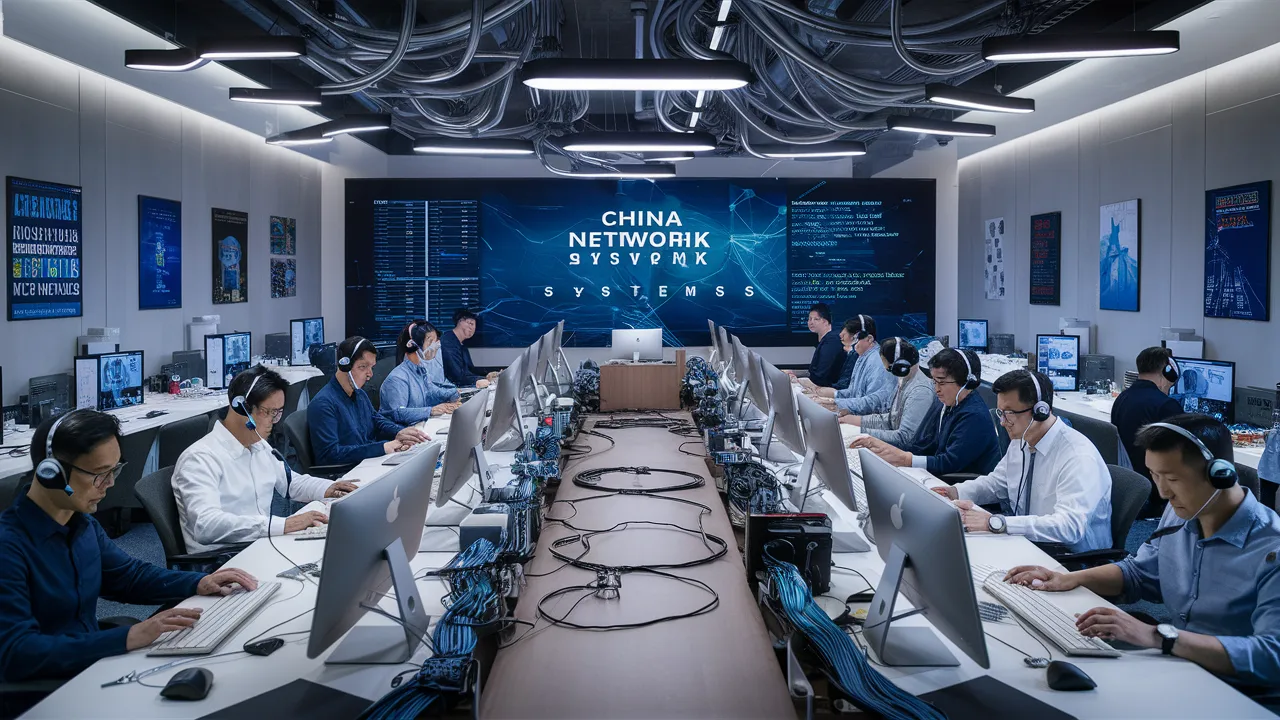
The expansion of digital connectivity across the modern world depends on highly advanced network infrastructures capable of supporting massive volumes of data, communication, and multimedia services. China Network Systems represents a crucial concept in understanding how telecommunications frameworks operate within large-scale digital environments. As broadband usage, streaming services, cloud computing, and smart devices continue to expand, robust network systems become the backbone of information exchange.
In recent years, China Network Systems have become increasingly significant in discussions surrounding telecommunications development, digital infrastructure, and high-speed connectivity. These systems include a complex combination of broadband technology, cable distribution networks, fiber-optic communication, and digital broadcasting services. Through sophisticated engineering and strategic technological implementation, these networks deliver entertainment, information, and communication to millions of users.
Understanding how these systems function provides valuable insight into the broader telecommunications industry, especially as digital transformation accelerates worldwide. The integration of fiber networks, high-capacity data transmission, and advanced service platforms has positioned modern network systems as essential components of economic development, digital media distribution, and global connectivity.
The Foundation of China Network Systems
Infrastructure and Network Architecture
The foundation of China Network Systems lies in a carefully engineered infrastructure designed to support reliable and high-speed data transmission. This infrastructure typically includes fiber-optic cables, hybrid fiber-coaxial systems, broadband gateways, digital broadcasting equipment, and data routing technologies. Each element works in coordination to deliver stable and efficient connectivity across cities, communities, and residential environments.
Fiber-optic technology plays a particularly important role within these systems. Fiber cables transmit data using pulses of light rather than electrical signals, enabling exceptionally high bandwidth capacity and extremely low latency. This technology allows network providers to deliver high-definition streaming, fast internet browsing, and cloud-based services with minimal interruptions.
Another critical component of network architecture is the hybrid fiber-coaxial system, which combines optical fiber networks with coaxial cable distribution. This hybrid model provides both performance and scalability, enabling operators to deliver cable television, broadband internet, and digital media through a unified infrastructure. The combination of these technologies ensures that modern networks can handle the growing demand for high-speed connectivity.
Telecommunications Services Enabled by China Network Systems
Broadband Internet and High-Speed Data
One of the most important services provided through China Network Systems is high-speed broadband internet access. Broadband connectivity allows households and businesses to engage in digital activities such as video streaming, remote work, online education, and cloud computing.
High-speed broadband networks support modern technologies including 4K streaming, video conferencing platforms, gaming services, and smart home devices. As more devices become connected to the internet, the need for strong network capacity continues to increase. Advanced network systems ensure that multiple devices can operate simultaneously without performance degradation.
Service providers rely on network optimization, bandwidth allocation, and intelligent traffic management to maintain stable performance. These systems continuously monitor network traffic and adjust routing paths to minimize congestion and maximize efficiency.
Cable Television and Digital Broadcasting
Another major function of China Network Systems is digital television distribution. Cable television networks use sophisticated transmission systems to deliver hundreds of digital channels directly to households. These services often include high-definition programming, on-demand content libraries, and interactive media services.
Digital broadcasting technology allows networks to compress and transmit multiple channels within limited bandwidth while maintaining high image quality. This technology has transformed traditional television services into multimedia entertainment platforms that integrate streaming services, interactive guides, and personalized content recommendations.
Cable network infrastructure also enables the delivery of pay-per-view events, sports programming, and premium entertainment channels, providing consumers with flexible viewing options and expanded content choices.
Network Security and Reliability
Protecting Digital Infrastructure
As network systems become more advanced and interconnected, security and reliability have become critical priorities. Large-scale network infrastructures must protect sensitive data while maintaining continuous service availability.
Security measures implemented within modern network systems include data encryption, firewall protection, intrusion detection systems, and network monitoring platforms. These tools detect unusual traffic patterns and prevent unauthorized access attempts.
Network reliability is maintained through redundant infrastructure, backup systems, and automated failover mechanisms. These features ensure that if one component experiences technical issues, alternative systems immediately take over to maintain uninterrupted service.
This level of reliability is essential for supporting modern digital environments where businesses, educational institutions, and public services rely on continuous connectivity.
The Role of China Network Systems in the Digital Economy
Supporting Business and Innovation
The growth of the digital economy depends heavily on stable and high-capacity communication networks. China Network Systems contribute to economic development by enabling digital businesses, e-commerce platforms, and cloud-based services.
Organizations rely on broadband networks for data exchange, customer communication, online transactions, and remote collaboration. Without advanced network infrastructure, modern digital enterprises would struggle to operate effectively.
Additionally, network systems support emerging technologies such as:
-
Artificial intelligence platforms
-
Cloud computing services
-
Smart city infrastructure
-
Internet of Things (IoT) ecosystems
Each of these innovations depends on powerful communication networks capable of handling large-scale data transmission.
Future Innovations in Network Systems
Next-Generation Connectivity
The future of China Network Systems will likely be shaped by rapid technological innovation and expanding digital demand. Several emerging trends are expected to influence the next phase of network development.
One major advancement is the expansion of gigabit fiber networks, which provide extremely fast internet speeds capable of supporting data-intensive applications such as virtual reality and ultra-high-definition streaming.
Another key trend is the integration of 5G wireless networks with fiber infrastructure. This combination allows mobile devices to access ultra-fast connectivity while relying on fiber backbones for data transport.
Network virtualization and software-defined networking (SDN) also represent significant technological advancements. These technologies allow operators to manage network resources through software platforms rather than physical hardware, improving efficiency and flexibility.
As digital ecosystems continue to expand, network providers will focus on scalability, automation, and intelligent network management to support billions of connected devices worldwide.
Conclusion
Modern digital society relies heavily on advanced communication networks capable of delivering fast, reliable, and secure connectivity. China Network Systems represent a sophisticated framework of telecommunications infrastructure that supports broadband services, digital broadcasting, and high-capacity data transmission. Through the integration of fiber-optic technology, hybrid network architecture, and advanced security systems, these networks provide the foundation for modern communication and digital services.
As the demand for data continues to grow, network systems will evolve to support new technologies, larger bandwidth requirements, and increasingly connected societies. The development of gigabit broadband, integrated wireless networks, and intelligent infrastructure will further enhance digital communication capabilities. By continuing to innovate and expand network technologies, modern telecommunications systems will remain at the heart of global digital transformation.
FAQ: China Network Systems
What are China Network Systems?
China Network Systems refer to telecommunications infrastructures that deliver digital services such as broadband internet, cable television, and high-speed data transmission through advanced network technologies.
What technologies are used in network systems?
These systems commonly use fiber-optic cables, hybrid fiber-coaxial networks, digital broadcasting technology, and broadband routing infrastructure to provide efficient communication services.
Why are network systems important for digital communication?
Network systems allow data to travel rapidly between devices, enabling services such as streaming, online collaboration, cloud computing, and digital media distribution.
How do network systems ensure reliability?
Reliability is maintained through redundant infrastructure, network monitoring systems, backup routing paths, and automated failover mechanisms that prevent service interruptions.
What is the future of network systems?
Future developments will include gigabit fiber networks, integration with 5G technology, software-defined networking, and intelligent traffic management systems designed to handle massive global data demand.
