
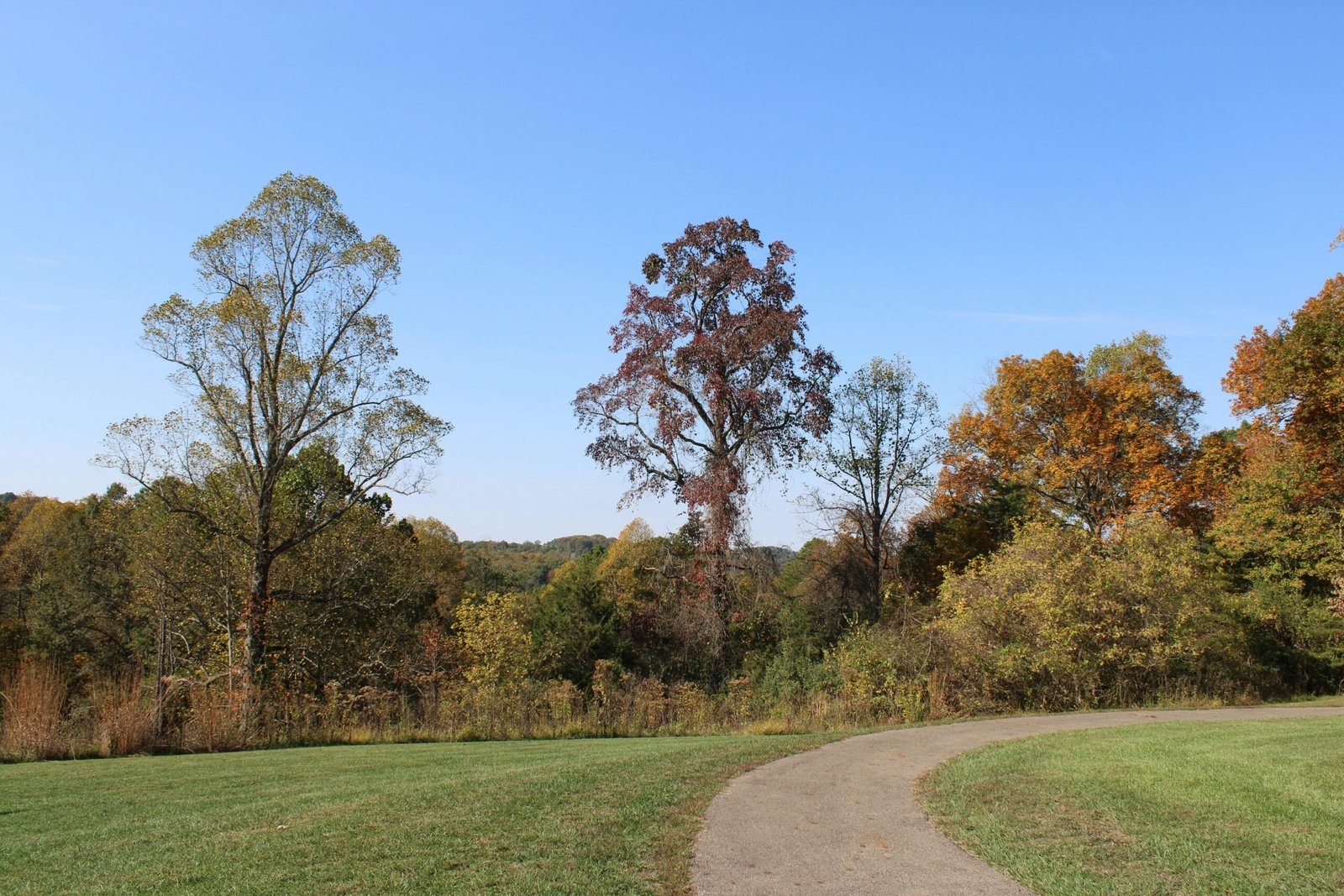
We recognize Lewis Center, Ohio champion trees as more than impressive plants; they are living landmarks that embody the natural heritage, ecological strength, and historical continuity of Delaware County. Champion trees are officially recognized specimens distinguished by their exceptional size, age, height, or trunk circumference compared to others of the same species within a defined region. In Lewis Center, these trees serve as symbols of environmental stewardship, community pride, and long-term conservation success. By documenting, protecting, and celebrating these giants, we preserve not only biodiversity but also a tangible connection between people and place. This comprehensive guide explores the significance of champion trees in Lewis Center, their identification, ecological value, historical relevance, and the role the community plays in safeguarding these irreplaceable natural assets.
Understanding Champion Trees in Lewis Center, Ohio
Champion trees are identified using a standardized scoring system that evaluates trunk circumference, total height, and average crown spread. In Lewis Center Ohio Champion Trees, Ohio, this process aligns with statewide forestry initiatives and local environmental programs that prioritize accuracy and long-term monitoring. Each champion tree stands out as the largest or most significant representative of its species within the region. These trees often exceed average growth expectations due to favorable soil conditions, historical land use patterns, and decades—sometimes centuries—of uninterrupted growth. By recognizing these trees, Lewis Center contributes to a broader understanding of forest health and species potential across Ohio.
Ecological Importance of Lewis Center Champion Trees
We emphasize the ecological role of Lewis Center Ohio champion trees as keystone organisms within their environments. These trees provide extensive canopy cover that regulates temperature, reduces soil erosion, and improves air quality. Their deep root systems stabilize the land while enhancing groundwater recharge, which is particularly valuable in mixed urban and suburban landscapes. Champion trees also serve as critical habitats for birds, mammals, insects, and fungi, supporting complex ecosystems that rely on mature growth structures unavailable in younger forests. Their presence increases biodiversity, strengthens ecological resilience, and promotes balanced natural systems throughout Delaware County.
Native Species Commonly Recognized as Champion Trees
Lewis Center is home to a range of native Ohio tree species that frequently earn champion status due to their adaptability and longevity. Species such as white oak, bur oak, American sycamore, sugar maple, and shagbark hickory thrive in the region’s climate and soil conditions. These trees are particularly valued for their historical prevalence and ecological compatibility. Native champion trees often demonstrate superior resistance to local pests and diseases, making them vital genetic reservoirs for future conservation and reforestation efforts. Their continued protection ensures that Ohio’s natural tree heritage remains intact for generations.
Historical Significance of Champion Trees in Lewis Center
We recognize that many Lewis Center Ohio champion trees predate modern development, standing as silent witnesses to the area’s transformation from rural farmland to a thriving suburban community. Some champion trees were present during early settlement periods, offering shade, shelter, and resources to past generations. These trees frequently appear near historic properties, former transportation routes, and early agricultural sites. Their preservation maintains a living link to local history, offering educational opportunities that blend environmental science with cultural storytelling. Champion trees thus function as both natural monuments and historical records.
Community Involvement and Conservation Efforts
Lewis Center’s commitment to champion tree preservation reflects strong community engagement and responsible land management. Local organizations, schools, and municipal authorities collaborate to document tree locations, promote awareness, and encourage protective practices. Educational programs teach residents how to identify champion trees and understand their value, while conservation initiatives focus on preventing damage from construction, soil compaction, and improper pruning. By fostering public appreciation, Lewis Center ensures that champion trees are not only admired but actively protected through informed community participation.
Challenges Facing Champion Trees in Lewis Center
Despite their size and resilience, champion trees face ongoing challenges from urban expansion, climate variability, invasive species, and environmental stressors. Construction activities can disrupt root systems, while changes in precipitation patterns affect soil stability and nutrient availability. In Lewis Center, proactive monitoring and adaptive management strategies are essential to mitigating these risks. Professional arborists and environmental planners play a crucial role in assessing tree health, implementing protective measures, and ensuring that development projects coexist responsibly with existing champion trees.
Why Champion Trees Matter for Future Generations
We affirm that Lewis Center Ohio champion trees represent long-term investments in environmental sustainability and community well-being. Their presence enhances property values, enriches public spaces, and contributes to overall quality of life. More importantly, champion trees inspire future generations to value conservation, patience, and stewardship. By protecting these natural giants today, Lewis Center establishes a legacy of environmental responsibility that benefits both people and ecosystems well into the future.
Conclusion
We conclude that Lewis Center Ohio champion trees are irreplaceable natural assets that embody ecological excellence, historical depth, and community pride. Their recognition and preservation reflect a broader commitment to environmental stewardship and sustainable growth within Delaware County. By understanding their significance, supporting conservation efforts, and promoting public awareness, we ensure that these remarkable trees continue to thrive as symbols of resilience and natural beauty. Champion trees are not merely records of size; they are enduring testaments to the harmony between nature and responsible human care.
Frequently Asked Questions (FAQ)
What qualifies a tree as a champion tree in Lewis Center, Ohio?
A tree qualifies as a champion based on a standardized scoring system that measures trunk circumference, height, and crown spread compared to others of the same species in the region.
Where can Lewis Center champion trees be found?
Champion trees are often located in parks, preserved natural areas, historic properties, and occasionally on private land with conservation agreements.
Why are champion trees important to the community?
Champion trees provide ecological benefits, preserve local history, enhance biodiversity, and promote environmental education and community pride.
How are champion trees protected in Lewis Center?
Protection includes monitoring tree health, limiting construction impacts, educating the public, and collaborating with arborists and conservation organizations.
Can new champion trees be identified in the future?
Yes, as trees continue to grow and conditions change, new specimens may qualify for champion status through ongoing documentation and evaluation.
