
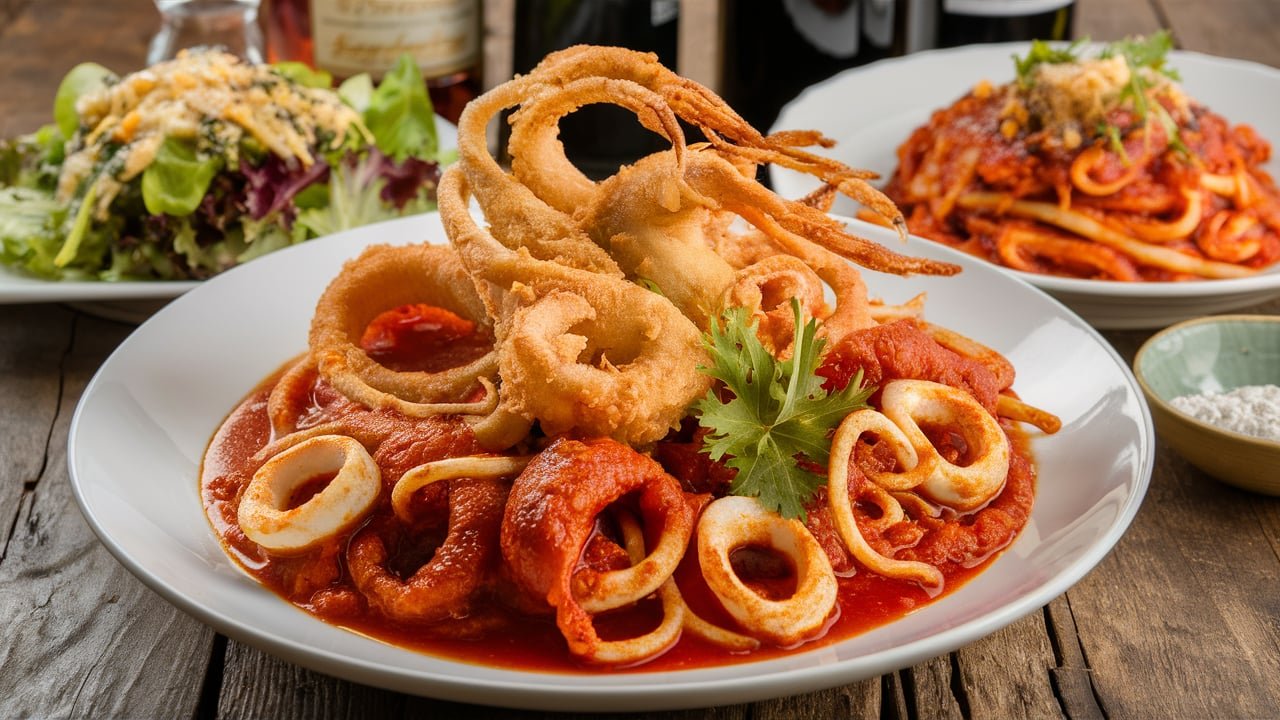
We present Calamariere as more than a dish; it represents a refined culinary concept rooted in Mediterranean tradition and elevated through expert preparation. The term calamariere is increasingly associated with premium calamari dishes that emphasize freshness, precise cooking techniques, and balanced seasoning. Across coastal regions and modern kitchens alike, calamariere has become synonymous with quality, texture perfection, and authentic flavor delivery. This guide explores calamariere in depth, offering authoritative insight into its origins, preparation, variations, and why it continues to dominate seafood-focused menus and searches.
What Is Calamariere? Meaning and Culinary Identity
Calamariere refers to a specialized approach to calamari preparation where squid is handled with professional care, ensuring tenderness, clean flavor, and visual appeal. Unlike generic fried calamari, calamariere emphasizes controlled cooking temperatures, precise slicing, and carefully curated marinades or batters. The identity of calamariere is built around craftsmanship, where each step—from sourcing squid to final plating—is executed with intention. This culinary identity has positioned calamariere as a premium keyword in seafood gastronomy.
Origins and Mediterranean Heritage of Calamariere
The roots of calamariere trace back to coastal Mediterranean cultures where squid has been a dietary staple for centuries. Italian, Spanish, and Greek culinary traditions all contributed techniques that later defined calamariere standards. Fishermen prepared squid immediately after harvest, preserving its natural sweetness and avoiding overcooking. Over time, these methods evolved into refined culinary practices, passed down through professional kitchens. Calamariere today reflects this heritage, blending historical techniques with modern presentation.
Key Ingredients That Define Authentic Calamariere
Authentic calamariere relies on a minimal yet precise ingredient list to allow the squid to remain the star. Fresh whole squid, high-quality olive oil, sea salt, and citrus are foundational. Depending on regional interpretation, ingredients may also include garlic, parsley, semolina flour, or light batter blends. The absence of heavy seasoning distinguishes calamariere from overly processed calamari dishes. Ingredient integrity is critical, as freshness directly affects tenderness and flavor.
Professional Preparation Techniques Used in Calamariere
Preparation is the defining factor that separates calamariere from standard calamari. Squid is cleaned meticulously to remove membranes that cause toughness. Rings or whole tubes are cut uniformly to ensure even cooking. Professional calamariere techniques favor rapid cooking at controlled temperatures, either through quick frying, grilling, or sautéing. Overcooking is avoided entirely, as even seconds can alter texture. This precision results in calamari that is tender, lightly crisped, and never rubbery.
Calamariere Cooking Methods and Variations
Calamariere adapts seamlessly to multiple cooking styles while maintaining its core principles. Fried calamariere features a light, airy coating that enhances crunch without overpowering flavor. Grilled calamariere showcases charred notes balanced with citrus and olive oil. Sautéed calamariere delivers a softer profile, often paired with white wine reductions or fresh herbs. Each variation retains the hallmark tenderness and clean taste associated with calamariere excellence.
Why Texture Matters in Calamariere
Texture is the most critical quality metric in calamariere. The dish is judged on its ability to deliver a delicate bite that yields effortlessly. Achieving this texture requires strict adherence to timing, temperature, and squid quality. Professional kitchens train extensively on calamariere preparation because texture inconsistencies are immediately noticeable. This focus on texture is why calamariere commands higher respect and search interest compared to generic calamari dishes.
Serving and Presentation Standards for Calamariere
Presentation plays a strategic role in calamariere appeal. Plates are kept minimal, often featuring neutral colors that highlight the squid’s natural tone. Garnishes are functional rather than decorative, enhancing aroma and freshness. Lemon wedges, microgreens, or herb oils are common accompaniments. This restrained presentation reinforces the premium positioning of calamariere and aligns with fine-dining expectations.
Calamariere in Modern Cuisine and Restaurants
Modern restaurants increasingly feature calamariere as a signature appetizer or main course. Its versatility allows chefs to innovate while maintaining classical roots. Upscale bistros, seafood-focused establishments, and Mediterranean restaurants use calamariere to demonstrate technical skill and ingredient quality. Its growing popularity in search trends reflects consumer demand for refined seafood experiences rather than mass-produced alternatives.
Nutritional Value and Dietary Appeal of Calamariere
Calamariere also appeals to health-conscious diners when prepared with minimal oil and fresh ingredients. Squid is naturally high in protein, low in saturated fat, and rich in essential minerals. Grilled or sautéed calamariere options align well with balanced diets. This nutritional advantage contributes to its sustained popularity and relevance across diverse audiences.
How Calamariere Differs From Standard Fried Calamari
While often confused, calamariere and standard fried calamari differ significantly. Standard calamari typically uses frozen squid, heavy batter, and inconsistent frying methods. Calamariere prioritizes freshness, light coatings, and precise cooking. The result is a cleaner taste, superior texture, and elevated dining experience. This distinction is central to understanding why calamariere stands apart in culinary discussions and search intent.
Conclusion: Why Calamariere Remains a Culinary Benchmark
We establish calamariere as a benchmark for calamari preparation, defined by technique, quality, and respect for ingredients. Its Mediterranean heritage, professional standards, and adaptability ensure its continued relevance in both traditional and modern cuisine. Calamariere is not a trend but a refined expression of seafood mastery that consistently delivers exceptional results. Its growing prominence reflects a shift toward quality-driven dining experiences that value precision over excess.
Frequently Asked Questions About Calamariere
What does calamariere mean?
Calamariere refers to a refined method and style of calamari preparation emphasizing freshness, precise cooking, and premium presentation.
Is calamariere always fried?
No, calamariere includes fried, grilled, and sautéed preparations, all adhering to strict texture and quality standards.
Why is calamariere considered premium?
Its premium status comes from ingredient quality, professional techniques, and consistent tenderness.
Can calamariere be part of a healthy diet?
Yes, especially when grilled or sautéed with minimal oil and fresh accompaniments.
How is calamariere different from regular calamari?
Calamariere focuses on precision, freshness, and texture, while regular calamari often relies on heavy batter and mass preparation.
